On March 5, 2025, a fact-finding mission was conducted at Livingstone Farm in Kiambu to gather crucial insights for organizing an oyster mushroom training field day. The mission aimed to evaluate the farm’s suitability for practical demonstrations, assess available resources and infrastructure, and identify effective teaching methods to engage farmers in oyster mushroom cultivation.


Key Objectives
- The objective of this fact-finding mission was to gather information and insights for planning a successful and informative oyster mushroom Training field day.
- Identify if the location was suitable for practical demonstrations, accessibility to farmers from the Counties within and outside Kiambu County.
- Evaluate the availability of resources, infrastructure (support one hundred farmers) and support services that can enhance the field day’s impact and ensure its sustainability.
- Evaluate the quality of existing farming method and housing for oyster mushrooms.
- Determine relevant topics and technologies available for the training field day.
- Explore different teaching methods, demonstration techniques, and interactive activities that can effectively engage farmers and facilitate knowledge transfer.
- Identify individuals, researchers, or experienced farmers who can effectively share their expertise and insights with the participants.
- Identify potential partners, organizations, or agencies that can contribute to the success of the Training Field Day.
- Use the information gathered to create a comprehensive programme for the field day, including activities to be conducted, planning and evaluation.
ey Findings and Observations
- Cultivation Methods: Bag cultivation: Substrate-filled bags in a controlled environment.


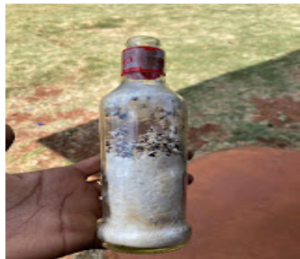
2. Strain Varieties: White pearl oyster mushrooms (Pleurotus ostreatus) strains displayed, in various growth stages.
3. Substrate Preparation: Different approaches to substrate preparation noted.
- Pasteurization: Using heat to reduce competing organisms.
- Sterilization: Eliminating all microorganisms for optimal growth.
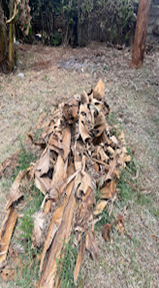
- Substrate materials, sugarcane bagasse, sawdust, coffee husks, banana leaves and other agricultural by-products.


3. Infrastructure and Equipment: The fact-finding day showcased various infrastructure and equipment used in oyster mushroom cultivation:
- Fruiting rooms with controlled temperature and humidity.
- Inoculation tools and techniques.
- Harvesting and post-harvest handling equipment


3. Pest and Disease Management: Strategies for preventing and managing common oyster mushroom pests and diseases discussed, including:
- Sanitation practices
- Ventilation and airflow
- Integrated pest management (IPM) techniqu
4. Marketing and Sales: Insights gained into marketing and sales strategies for oyster mushrooms, including:
- Direct sales to consumers at farmers’ markets.
- Supply to local restaurants and grocery stores.
- Value-added products (e.g., dried mushrooms, mushroom powders).


5. Economic Viability: The potential profitability of oyster mushroom cultivation was evident, with considerations for:
- Input costs (substrate, spawn, e.tc.)
- Labor requirements
- Yield and production capacity.
- Market demand and pricing
Recommendations for the Field Day
The following recommendations were made to ensure the success of the oyster mushroom training field day:
- Hands-on Activities: Incorporating practical demonstrations and interactive activities to engage participants and facilitate knowledge transfer.
- Comprehensive Training: Providing in-depth sessions on substrate preparation, inoculation, pest management, post-harvest handling, and marketing strategies.
- Networking Opportunities: Encouraging networking among farmers, trainers, and industry experts to foster knowledge sharing and collaboration.
- Support for Attendance: Offering subsidized transport, snacks, and lunch (such as oyster mushroom hot dogs) to ensure maximum participation.
- Business Planning: Including a session on marketing and business planning to equip participants with the tools to successfully grow and market oyster mushrooms.
Final Remarks
The fact-finding mission at Livingstone Farm provided valuable insights into the needs and opportunities within the oyster mushroom farming sector. By implementing the recommendations outlined in this report, the planned field day will be an informative and engaging event that supports the growth of oyster mushroom farming in Kiambu and surrounding areas. The event aims to equip farmers with the knowledge and resources necessary to enhance their productivity and profitability, ultimately contributing to the development of sustainable agricultural practices in the region.
Acknowledgements
- Keyrio Farm – Keyrio Farm is a leading demo farm specializing in oyster mushroom farming, dedicated to providing hands-on training for farmers on the best practices for sustainable food production. With a strong focus on innovative, eco-friendly techniques, the farm empowers farmers to grow high-quality mushrooms while promoting environmental sustainable practices with focus on clean smart energy solutions.
- European Union – This project has received funding from the European Union’s Horizon 2020 research and innovation programme under grant agreement No 862555.
